
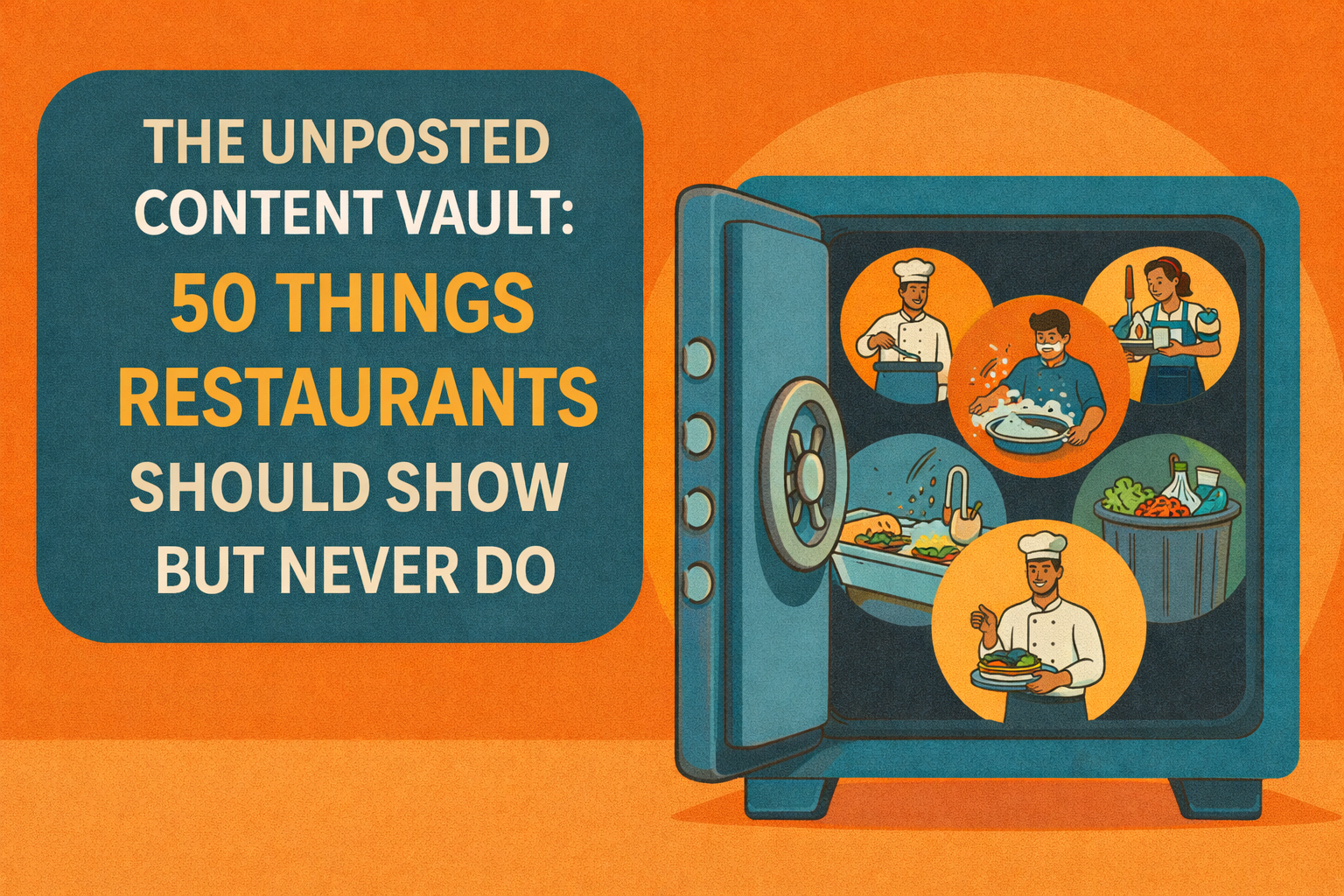
The Unposted Content Vault: 50 Things Restaurants Should Show But Never Do
Meta Title
The Unposted Content Vault Restaurants Ignore That Drive Sales
Meta Description
Discover 50 powerful restaurant content ideas most brands never post and why these invisible branding mistakes hurt sales and trust.
Introduction: Your Restaurant Is Hiding Its Strongest Marketing Asset
Most restaurants believe they are active online.
They post food pictures. They announce offers. They share festival creatives. Yet somehow, footfall stays inconsistent. Engagement feels forced. Ads become expensive.
The problem is not effort.
The problem is omission.
Restaurants unintentionally hide the very content that builds trust, relatability, and recall. This silent gap is one of the biggest restaurant branding mistakes that hurt sales, especially in India’s competitive food market.
This blog opens the unposted content vault.
Why What You Do Not Post Matters More Than What You Do
Customers do not just judge restaurants by what they see. They judge by what feels missing.
When content feels repetitive or overly polished, customers assume:
- The place might be empty
- The food might be inconsistent
- The brand might be overcompensating
- The experience might not match expectations
This impacts restaurant marketing strategies far more than owners realise.
The Psychology Behind Unposted Content
People trust transparency.
Unposted content often includes:
- Real moments
- Human interactions
- Process-driven visuals
- Everyday realities
These moments feel honest. And honest brands feel safe.
That safety directly influences how to promote a restaurant online without sounding salesy.
Category 1: Kitchen Reality Customers Secretly Love
1. Morning prep scenes
2. Fresh ingredient arrivals
3. Dough being kneaded or batter being mixed
4. Spice blending and marinades
5. Trial plating before service
6. Chef tasting and adjusting flavours
7. A messy but active prep table
Indian customers especially value freshness. Showing process builds confidence without saying a word.
Category 2: Staff Stories That Build Emotional Trust
8. Introducing a team member
9. Staff inside jokes
10. First day at work moments
11. Celebrating birthdays
12. Staff recommendations from the menu
13. A tired but happy post-shift photo
People connect with people before food. This is why restaurant social media marketing performs better with faces.
Instagram itself encourages authenticity as a growth driver in its official guide on
building genuine connections on Instagram.
Category 3: Customer Moments That Feel Real
14. A family waiting patiently for food
15. Kids reacting to desserts
16. Regular customers being recognised
17. A packed table during peak hours
18. A quiet weekday lunch crowd
19. Laughter caught mid-meal
These moments subtly answer the customer’s biggest question:
“Do people actually enjoy eating here?”
Category 4: Imperfect Food Content That Converts Better
20. Steam rising naturally from food
21. Slightly imperfect plating
22. Food being served, not styled
23. Portion sizes on real plates
24. Half-eaten dishes on tables
25. Food shared among friends
Over-edited food creates distance. Real food creates appetite.
Category 5: Operations That Signal Professionalism
26. Cleanliness checks
27. Staff briefings before service
28. Inventory checks
29. Kitchen safety practices
30. Quality control routines
These are rarely posted, yet they strongly influence trust, especially for families and corporate diners.
Google highlights how operational transparency impacts consumer confidence in local businesses through
how Google evaluates business quality.
This directly affects Google My Business for restaurants visibility and engagement.
Category 6: Behind-the-Scenes Decision Making
31. New menu trials
32. Price changes explained
33. Seasonal dish testing
34. Feedback-driven improvements
35. Discontinued dishes
Sharing decisions makes customers feel involved rather than marketed to.
Category 7: Local Relevance That Strengthens Brand Recall
36. Rainy day footfall scenes
37. Festival rush chaos
38. Power cut backup moments
39. Late-night closing rituals
40. Local supplier shoutouts
This strengthens F&B local SEO strategies and makes the restaurant feel rooted, not generic.
Category 8: Honest Brand Personality Moments
41. Slow day honesty posts
42. Sold-out announcements
43. Kitchen mishaps handled calmly
44. Last table of the night
45. Closing time exhaustion
Honesty builds loyalty faster than perfection.
Category 9: Content That Builds Long-Term Visibility
46. FAQs answered on reels
47. How to order best from the menu
48. Best time to visit tips
49. Seating recommendations
50. Staff favourite combinations
This content supports increase restaurant visibility online without paid promotion.
Why Restaurants Avoid Posting These Moments
Most owners fear:
- Looking unprofessional
- Being judged
- Losing brand image
- Appearing small
In reality, these moments make brands relatable. Relatable brands convert better.
How This Content Impacts Ads and SEO
When customers see ads after consuming real content:
- Google ads for restaurants convert faster
- Facebook ads for restaurants feel familiar
- Restaurant influencer marketing becomes more believable
- Booking decisions feel safer
Meta explains how warm audiences outperform cold ones in its ad performance guide
here.
How to Start Using the Unposted Vault Without Overthinking
You do not need a strategy overhaul.
Start small:
- One behind-the-scenes story daily
- One staff post weekly
- One honest reel every weekend
Consistency beats creativity.
Conclusion: The Content You Hide Is Your Strongest Asset
Restaurants lose customers not because of bad food, but because they feel distant online.
The unposted content vault holds trust, warmth, and familiarity. Unlocking it transforms how customers perceive your brand.
Stop hiding reality.
Start showing it.
That is where growth begins.
FAQ Section
Because it builds transparency, which increases trust and booking confidence.
Ideally daily stories and three to four feed posts weekly.
Yes. It improves engagement, brand searches, and local relevance.
Absolutely. Smaller brands benefit even more from human content.
Yes, but it should be balanced with real moments.
If your restaurant feels invisible online despite good food, it is time to rethink content.
Work with a F&B digital marketing agency that understands food businesses, not just algorithms.
Mango Marketing helps restaurants show what truly sells.